

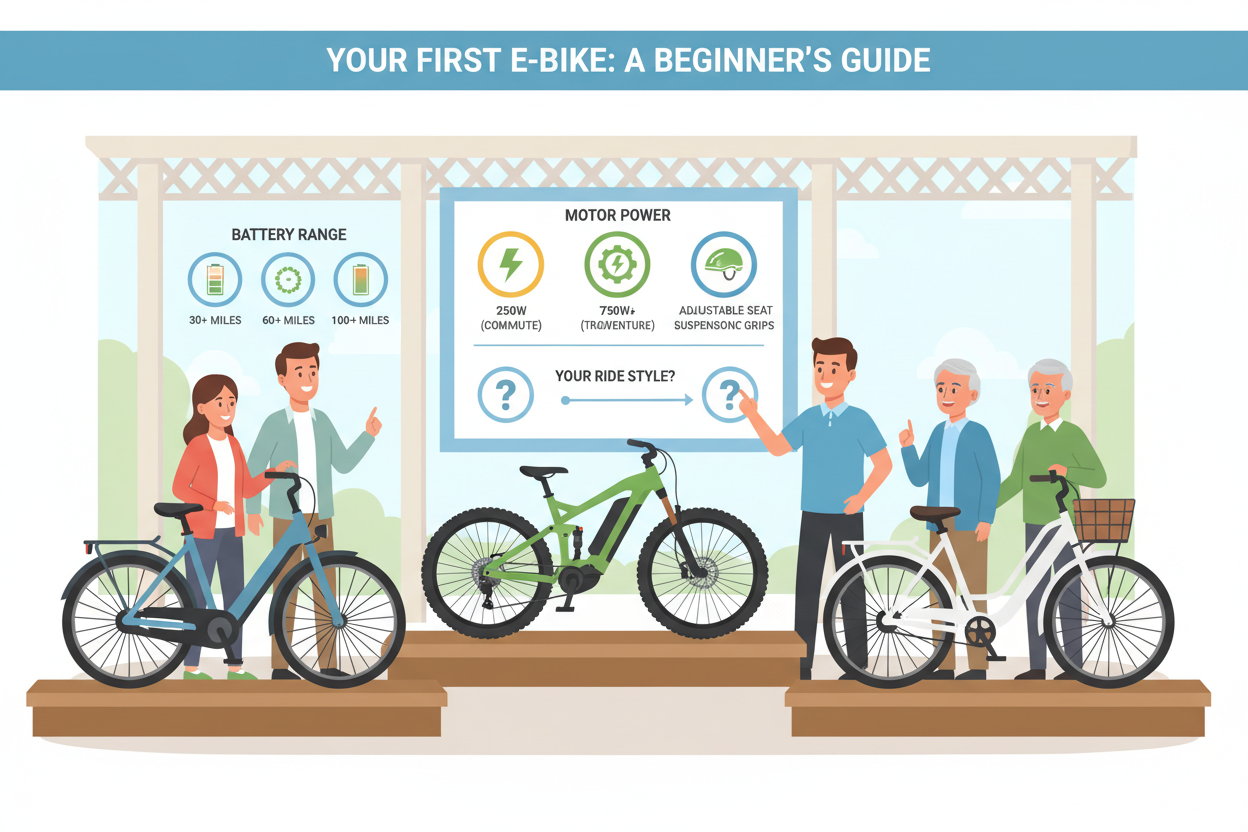
With growing environmental awareness and increasingly congested city traffic, electric bikes are becoming a popular choice for more and more people. Faced with a wide range of brands and models on the market, first-time buyers often feel overwhelmed. Don’t worry—this guide will walk you through the key factors to consider when choosing an e-bike, helping you find the perfect ride.
1. Determine Your Riding Needs
Before diving into specs, ask yourself: What will I mainly use this bike for?
-
Urban Commuting: If you need a bike for daily work commutes with frequent starts and stops, a lightweight city bike or folding bike is an ideal choice. These usually come with fenders, rear racks, and lights for everyday practicality.
-
Off‑Road Adventure: If you’re eager to explore trails on weekends, an electric mountain bike will be your best companion. They feature stronger suspension systems and wider tires to handle rough terrain.
-
Long‑Distance Travel: For longer rides, a cruiser or touring e-bike offers a more comfortable riding position and extended battery range.
2. Core Components: Motor & Battery
The motor and battery are the heart and energy source of an electric bike.
-
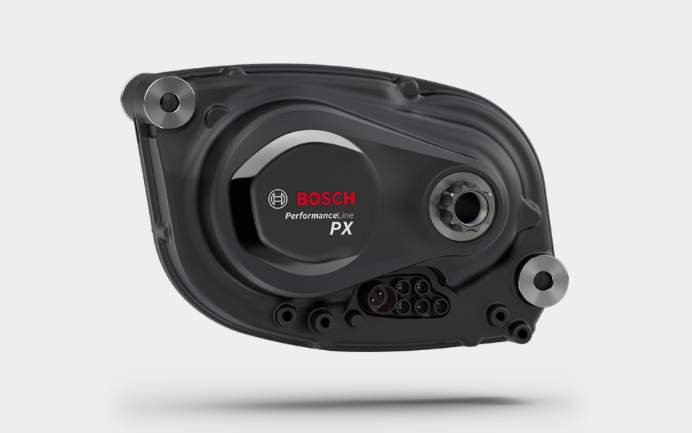
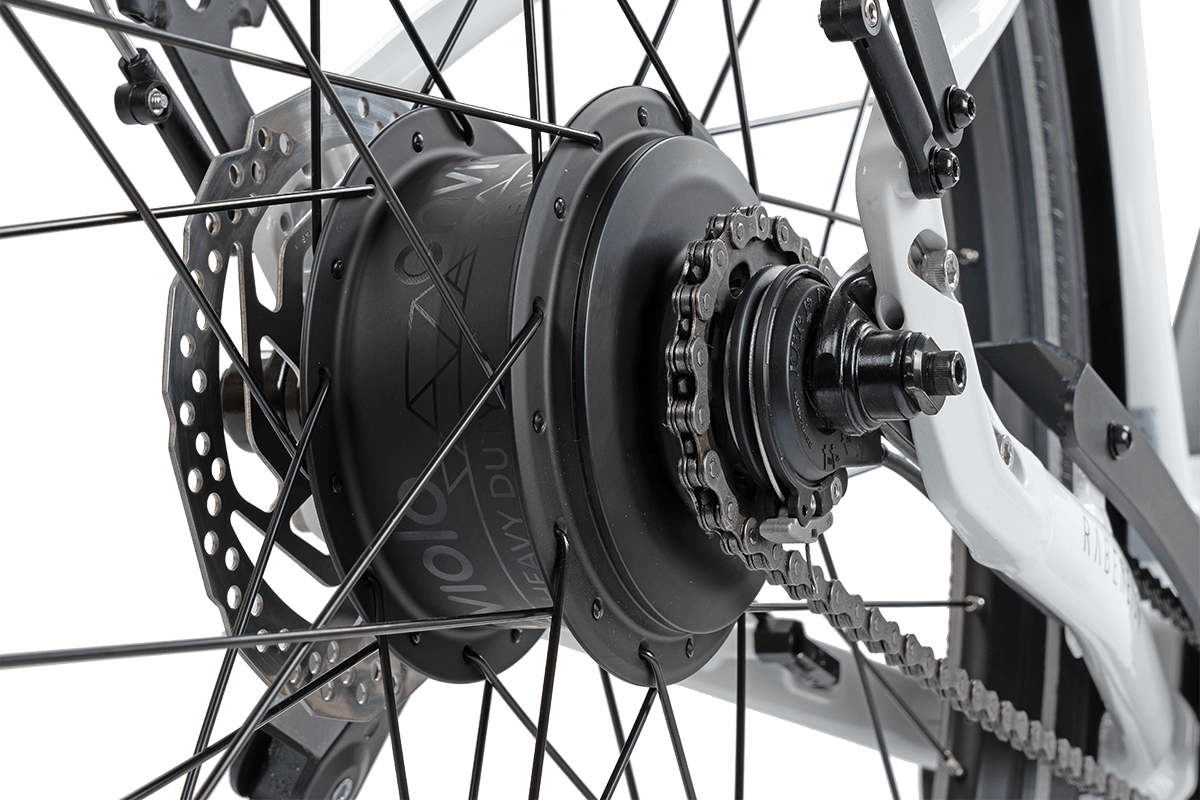
Motor Placement:
-
Hub Motor: Simple structure, low maintenance, with a noticeable push when you start. Ideal for flat city roads.
-
Mid‑Drive Motor: Located at the bike’s center, it provides better weight distribution. It delivers power based on your pedaling effort, offers stronger climbing ability, and handles more like a traditional bike—great for hilly or off‑road terrain.
-
-
Battery Capacity: Battery capacity is usually measured in watt-hours (Wh). The higher the number, the longer the range. Keep in mind that advertised ranges are often tested under ideal conditions. Actual range is affected by rider weight, terrain, wind, and assist level. It’s wise to choose a model with 30–50% more range than your typical commute distance.
3. Details You Shouldn’t Ignore
-
Frame Size: Just like buying clothes, the right frame size is crucial. A poorly fitted bike can make riding uncomfortable. Always refer to the brand’s size chart, and test ride if possible.
-
Braking System: Because e-bikes are heavier and faster than traditional bicycles, hydraulic disc brakes are the safer choice. They provide stronger stopping power, ensuring you can stop safely in emergencies.
Conclusion:
Choosing your first electric bike should be an exciting experience. Clarify your needs, focus on the core components, and prioritize test rides—you’re sure to find the perfect companion for exploring more of the world. Visit us for a test ride and feel the e‑bike difference for yourself!
Share:
Say Goodbye to Gridlock: Why Electric Bikes Are the Ultimate Urban Commute Solution